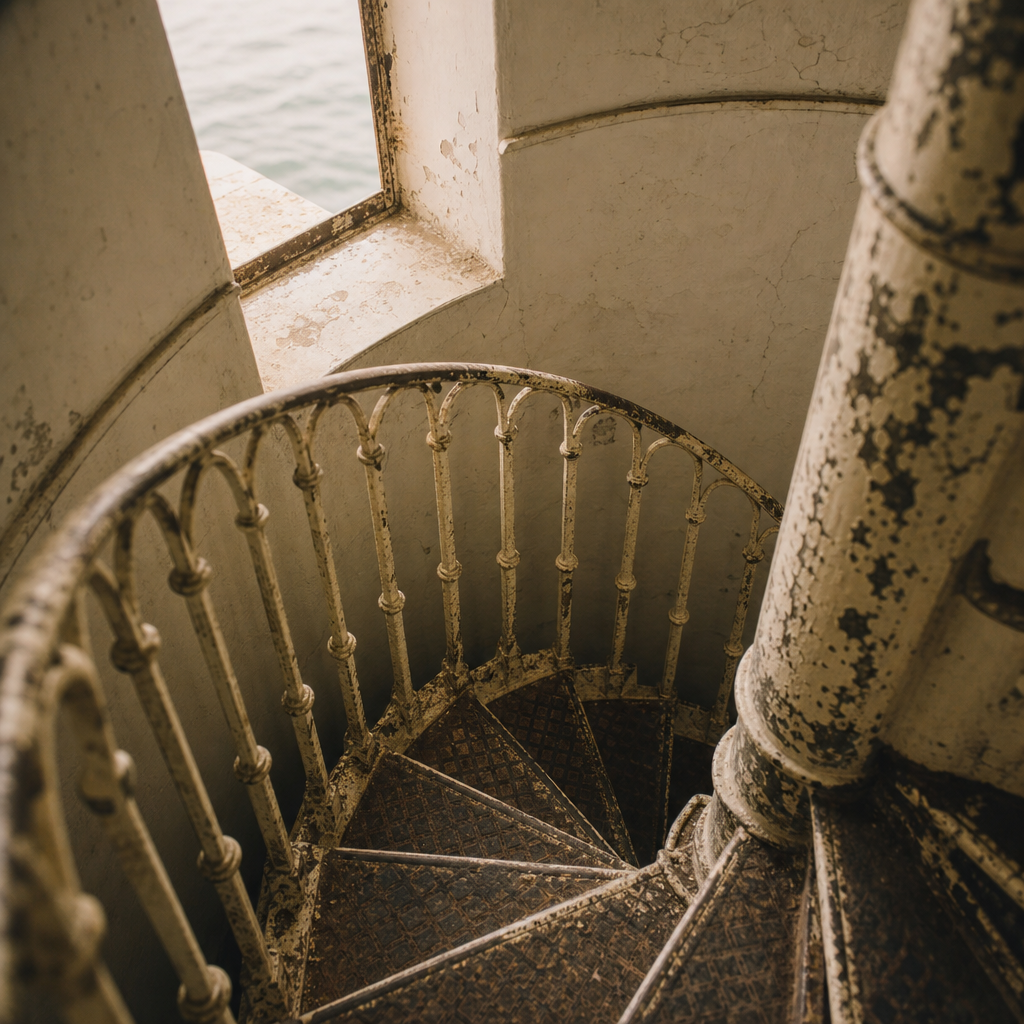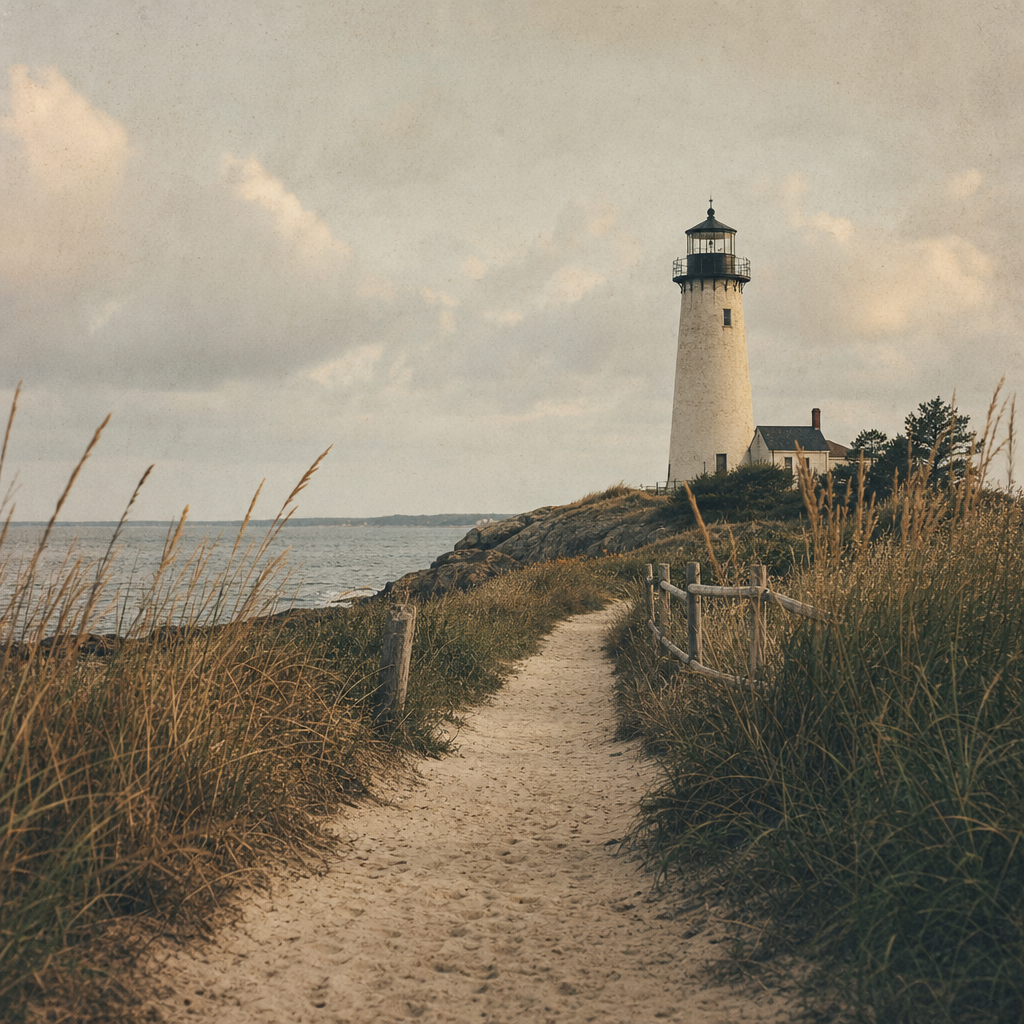
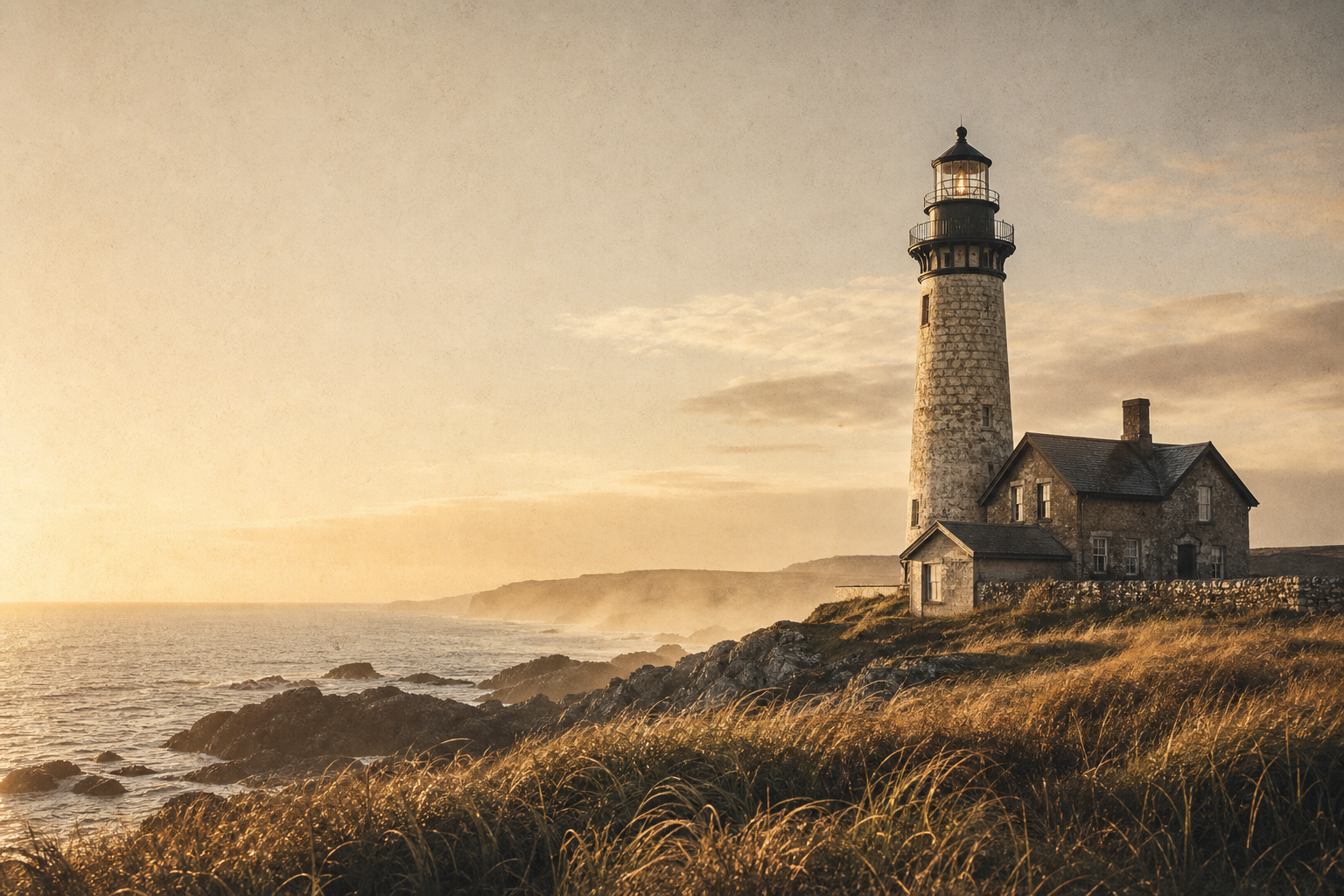
Historic stone lighthouse on a rugged northern coastline at golden hour, with soft sea mist, windswept grass, and gentle film-grain atmosphere

Northern Coast Lighthouses Archive

A living record of northern beacons, keepers, and shoreline memory.

Trace preserved towers, browse archival scenes, and follow the human stories that guided ships along the coast.

Preserved towers
Archival scenes
Keeper accounts

Historical introduction

Why the northern coast's lighthouse chain became a lifeline for ships and shoreline towns.

Built against fog, reefs, and winter surf, these towers formed a shared coastal language that crews trusted long before modern navigation tools.

Coastal conditions: Narrow channels, shifting shoals, and frequent sea mist made the northern approach one of the coast's most uncertain passages.

Navigational role: Each light marked a decision point—safe harbor entries, reef edges, and night bearings that helped captains hold a reliable route.

Historical importance: Together, the network reduced wreck loss, supported coastal trade, and linked remote communities to regional movement.
Keeper Stories

Lives Behind the Lantern

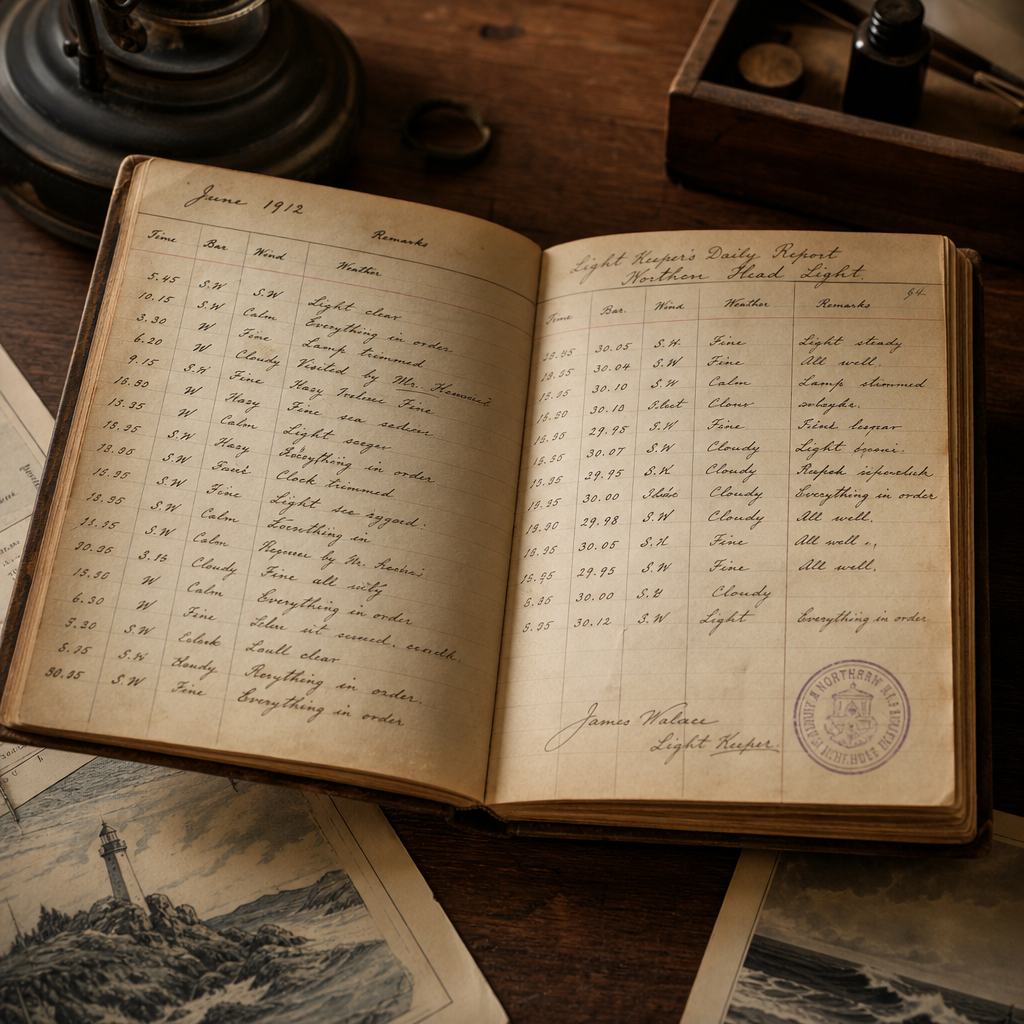
Short records of routine, weather, and neighborly duty from towers that watched the northern coast night after night.

Cape Orford · 1892

Night Ledger at First Light

Each dawn, Keeper Mallory logged fog thickness before tending the wick and polishing salt from the lens room rails. Fisher families judged the morning launch by his lantern notes posted near the dock office.

Sable Reach · Winter 1904

Three Days of Drift Ice

When drift ice sealed the inlet, Assistant Keeper Nia rationed coal and melted snow in iron basins for the household. Her evening signal remained steady, though supply boats did not reach the tower for seventy-two hours.

Harbor Point · 1911

Sunday Bell and School Slate

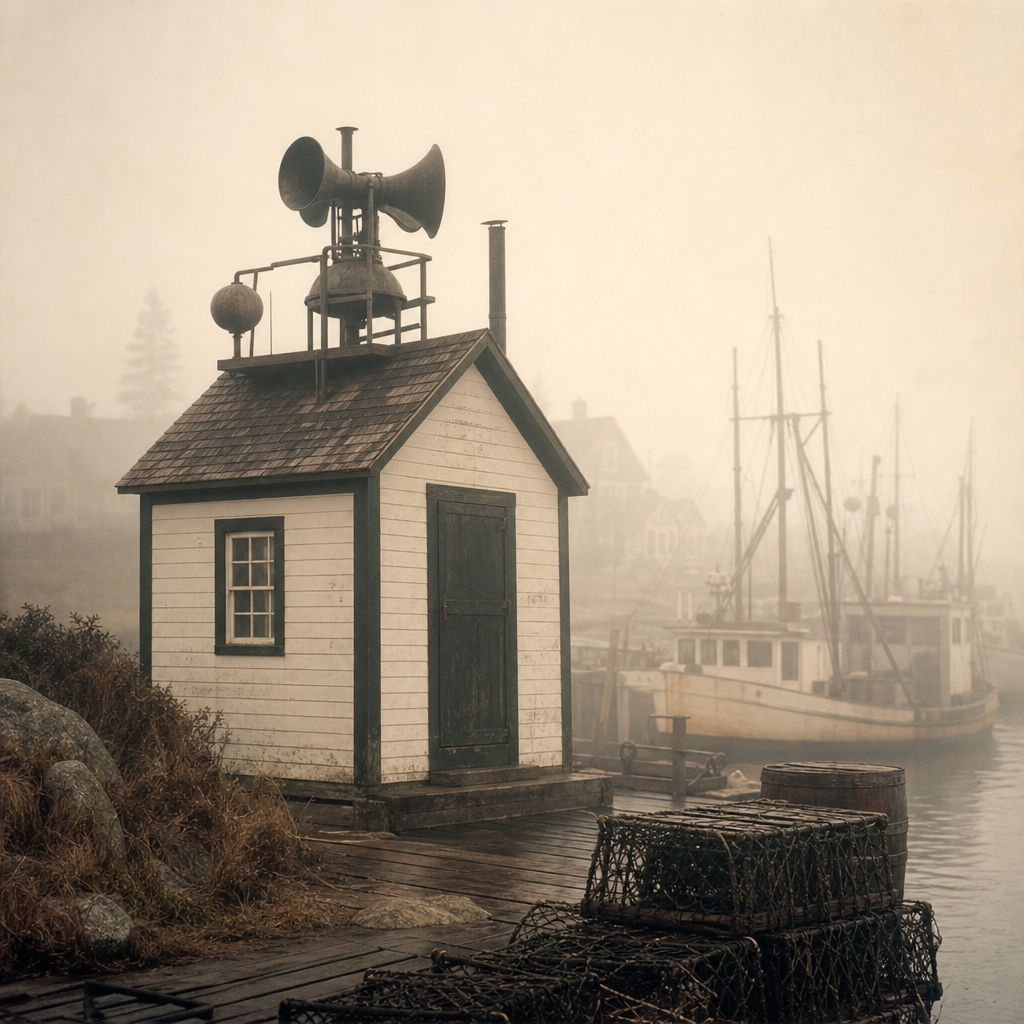
On calm Sundays, the keeper’s family rang the fog bell at noon so children from two coves could time their walk to lessons. After class, lamp glass was cleaned by hand while stories of wreck seasons were copied into slate notebooks.

North Bar · 1926

Letters by Kerosene Light

During autumn gales, Keeper Alvarez wrote community notices by kerosene and sent them inland with the weekly post rider. The letters listed safe landing windows and names of boats seen past the reef at dusk.

Preserved Tower Reference

Follow the surviving beacons from north headlands to southern harbors.

Use this map-like guide to connect stories and photographs with towers that still mark the coast today.

Visit notes

Practical guidance for visiting preserved lighthouse sites

A short reference for access, weather, etiquette, and on-site interpretation so visits remain safe, respectful, and easy to plan.

Can I access every lighthouse tower directly?

No. Some towers are view-only from paths or roads due to preservation and safety limits. Check the preserved tower map before arrival and follow posted access boundaries.

What should I expect from coastal weather during a visit?

Conditions shift quickly: wind, mist, and slippery surfaces are common even in mild seasons. Bring a wind layer, stable footwear, and allow extra time in poorer visibility.

How can I visit respectfully around preserved structures?

Stay on marked routes, avoid climbing barriers, and never remove small artifacts such as bricks, glass, or hardware. Leaving sites unchanged protects both records and future access.

Are photographs generally allowed at lighthouse sites?

Usually yes for personal use outdoors, but restrictions can apply on private grounds or inside managed buildings. Respect signage and avoid flash where exhibits or wildlife may be affected.

Where can I find local interpretation or historical signage?

Start with the preserved towers map; many pins note nearby panels, museums, or visitor centers with local context and keeper records.